
In service
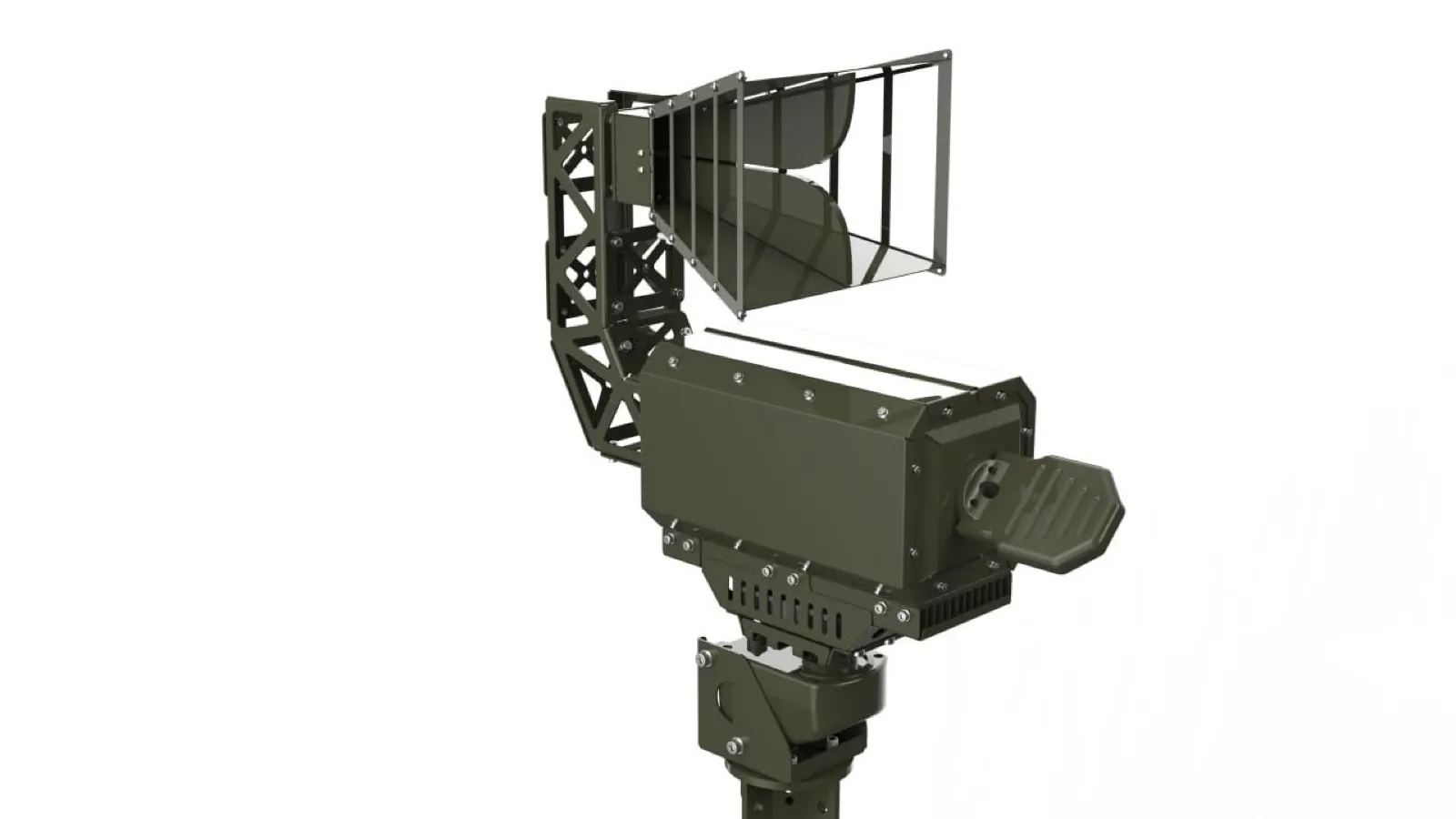
Long-range detection & EW station
Wide-area RF and video detection with high-power jamming. Networked units cover a front-line sector from one control centre.
- Radius
- 100 km
- Video denial
- 40 km
- Setup
- ≤ 10 min
Detection, electronic warfare, remote weapon stations, interceptors and autonomous platforms. A broad and expanding range of hardware and software, developed in-house and iterated in the field.
One portfolio covers the full engagement chain, from first radio-frequency contact to physical neutralisation, on land and at sea. Systems are modular, so a customer can start with one layer and add the rest as the threat picture develops.
01 Detect
Wide-area RF and video detection, networked so one control centre watches a whole sector.
In service
Wide-area RF and video detection with high-power jamming. Networked units cover a front-line sector from one control centre.
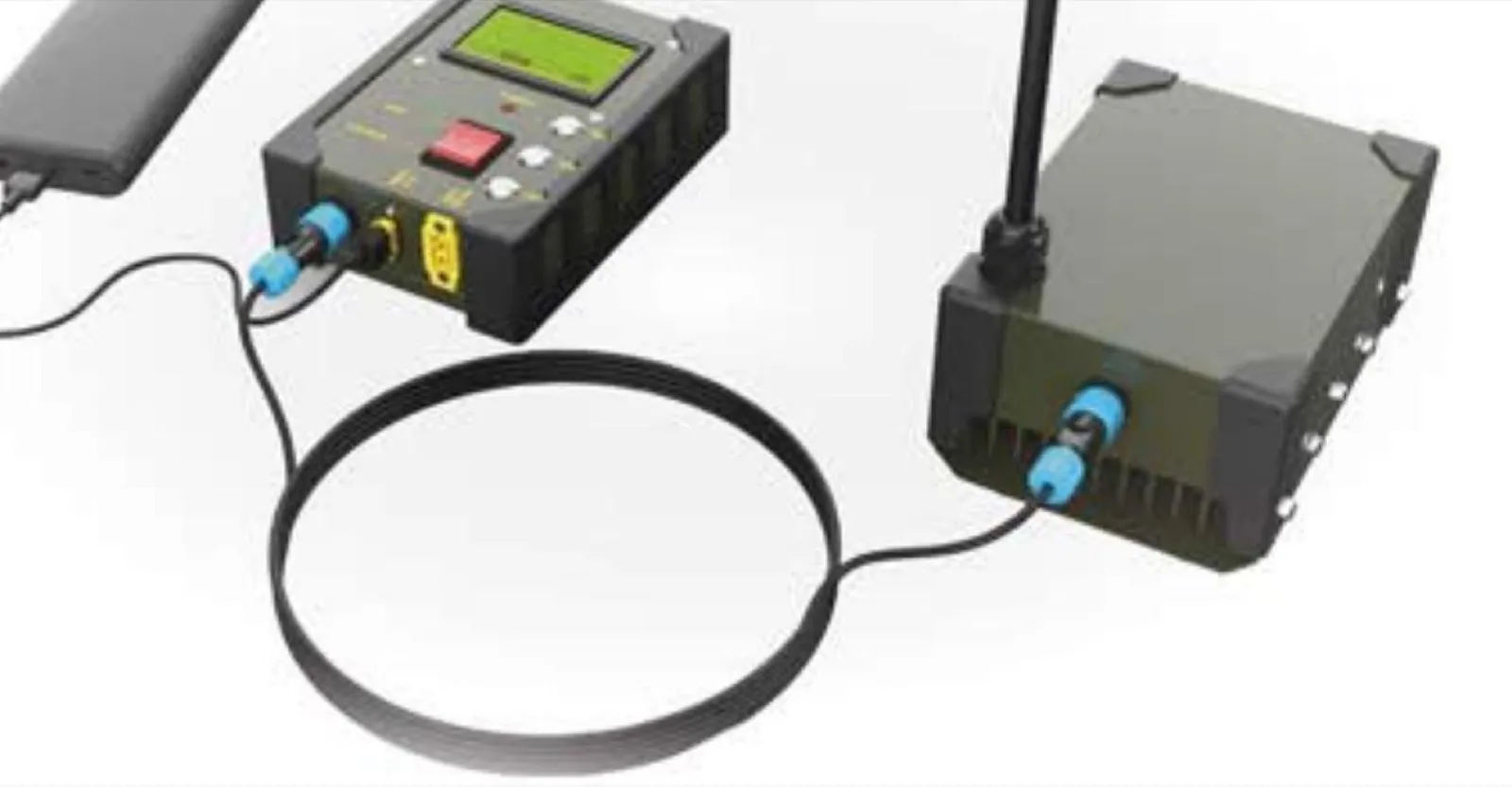
Fixed PoE and handheld wideband detectors with video interception and a browser interface.
02 Deny
One detection-to-response core in six form factors, from a man-portable kit to armoured-vehicle and unmanned-platform integration.
In service
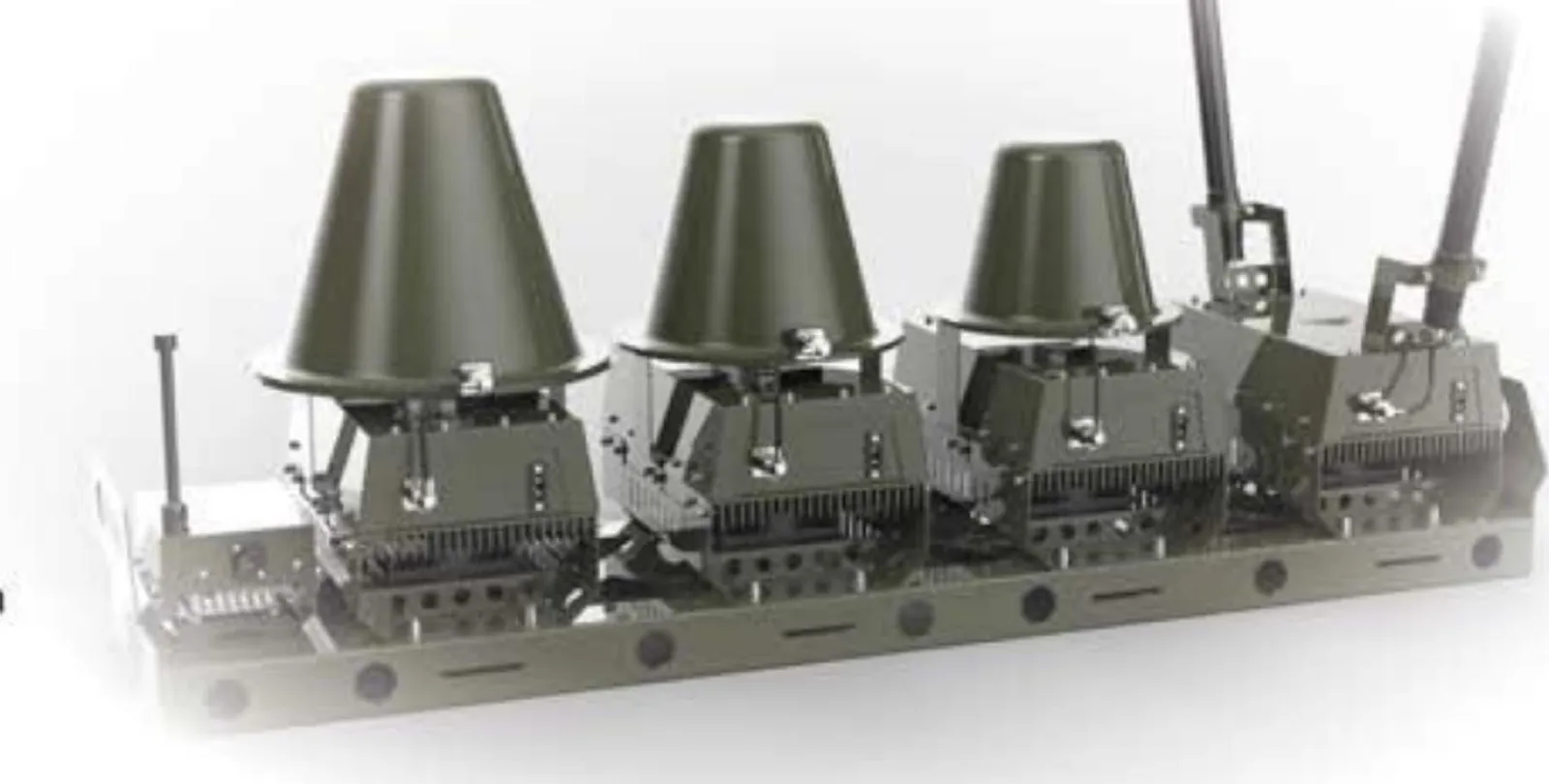
Tripod and semi-fixed directional arrays for sector suppression at longer jamming ranges.
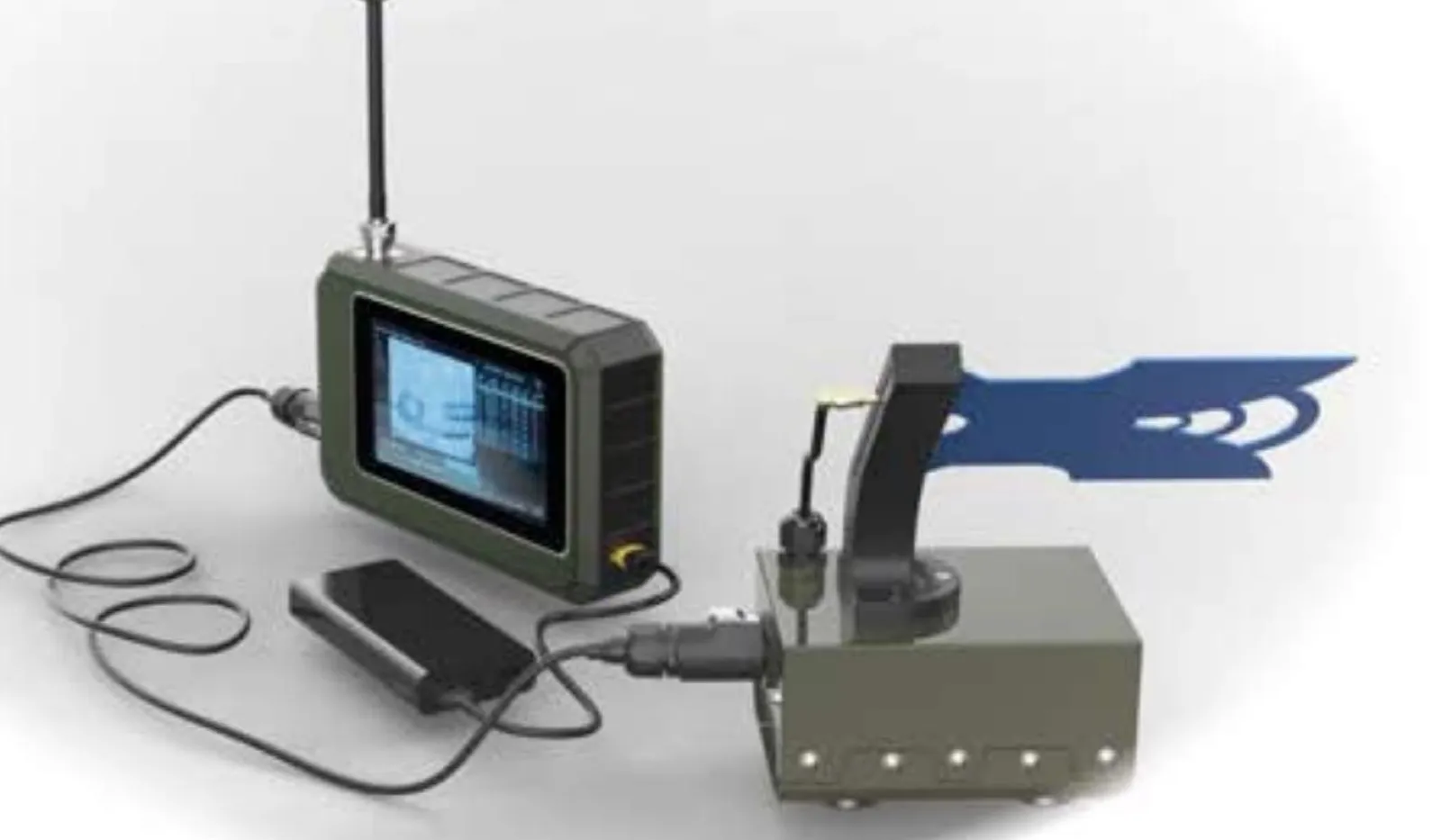
Man-portable SIGINT, paired with an EW unit for automatic or confirmed suppression.
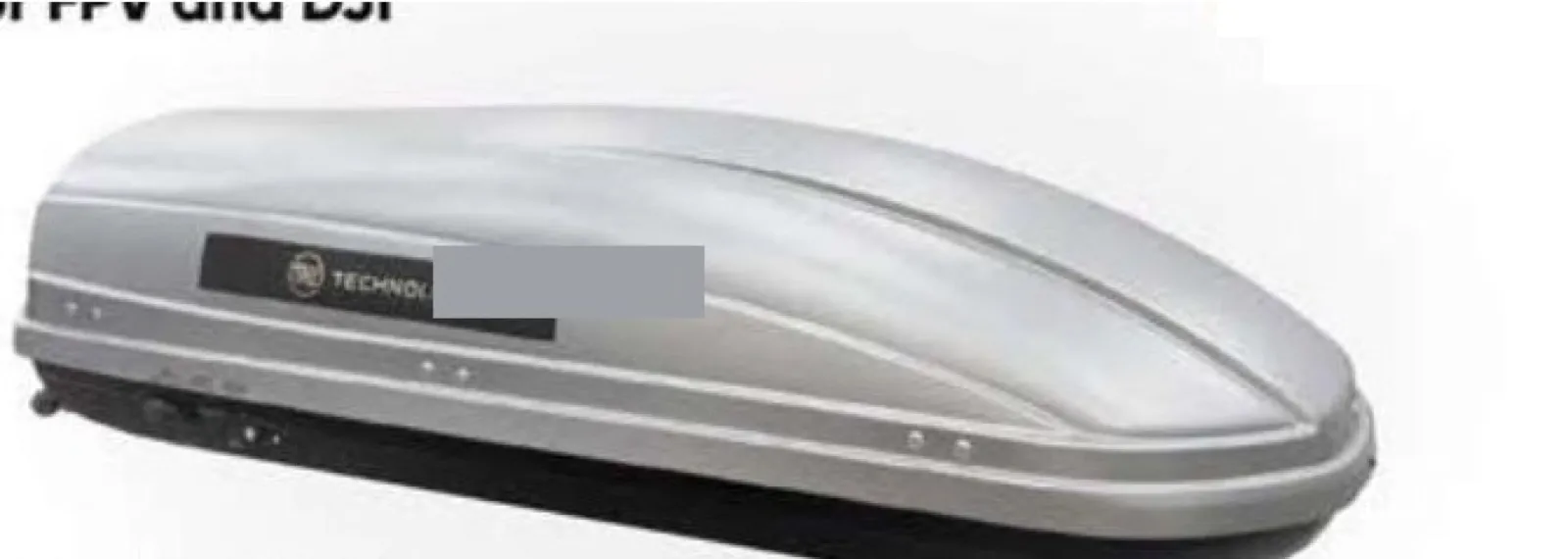
Armoured-vehicle, covert roof-box and unmanned-platform configurations of the same EW core.
03 Defeat
Kinetic defeat where the link cannot be denied: stabilised weapon stations and launched interceptors.
Field trials
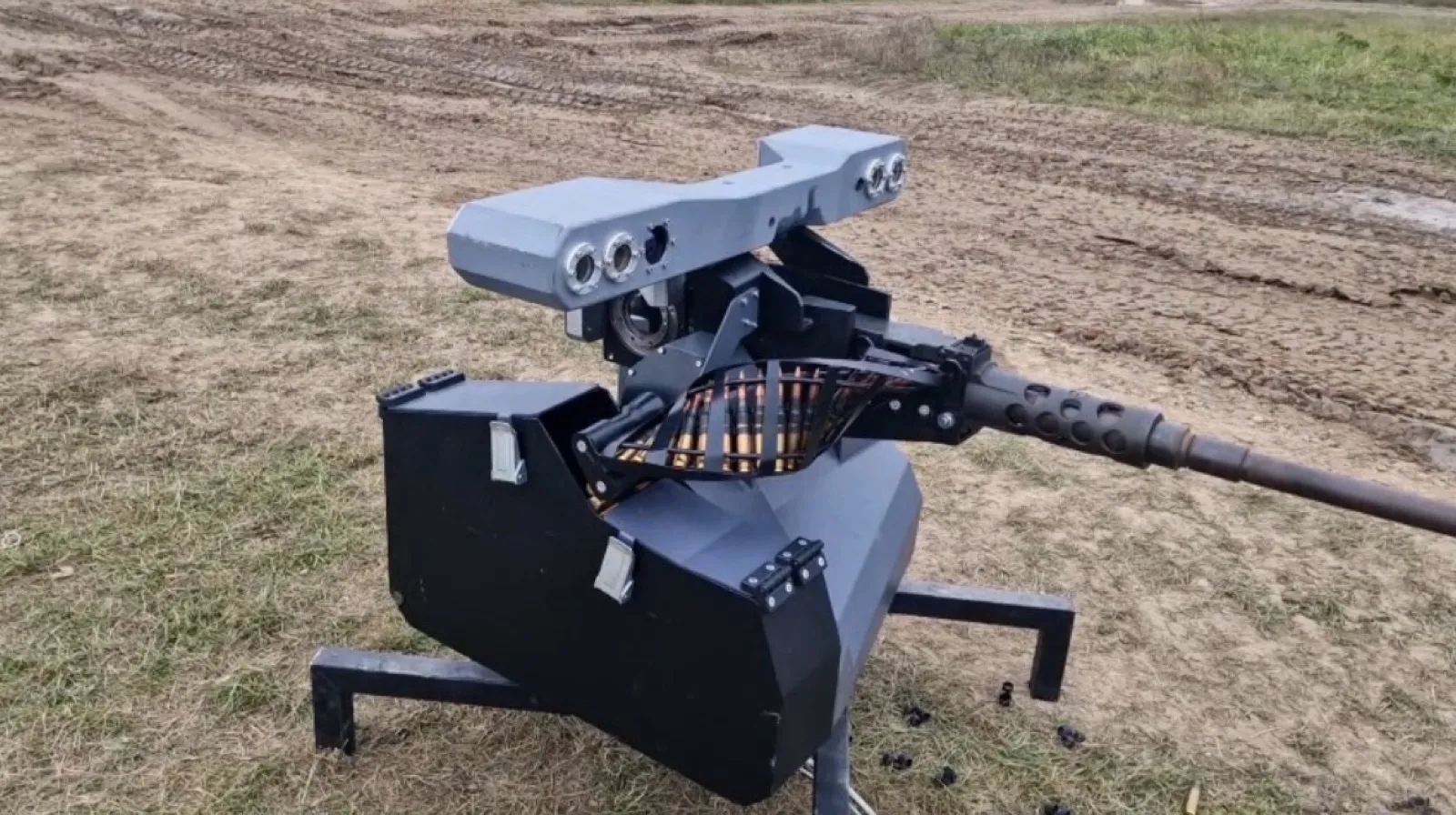
Remote weapon station with machine vision and gyro-stabilised mount. Detection is automatic; firing stays with the operator.
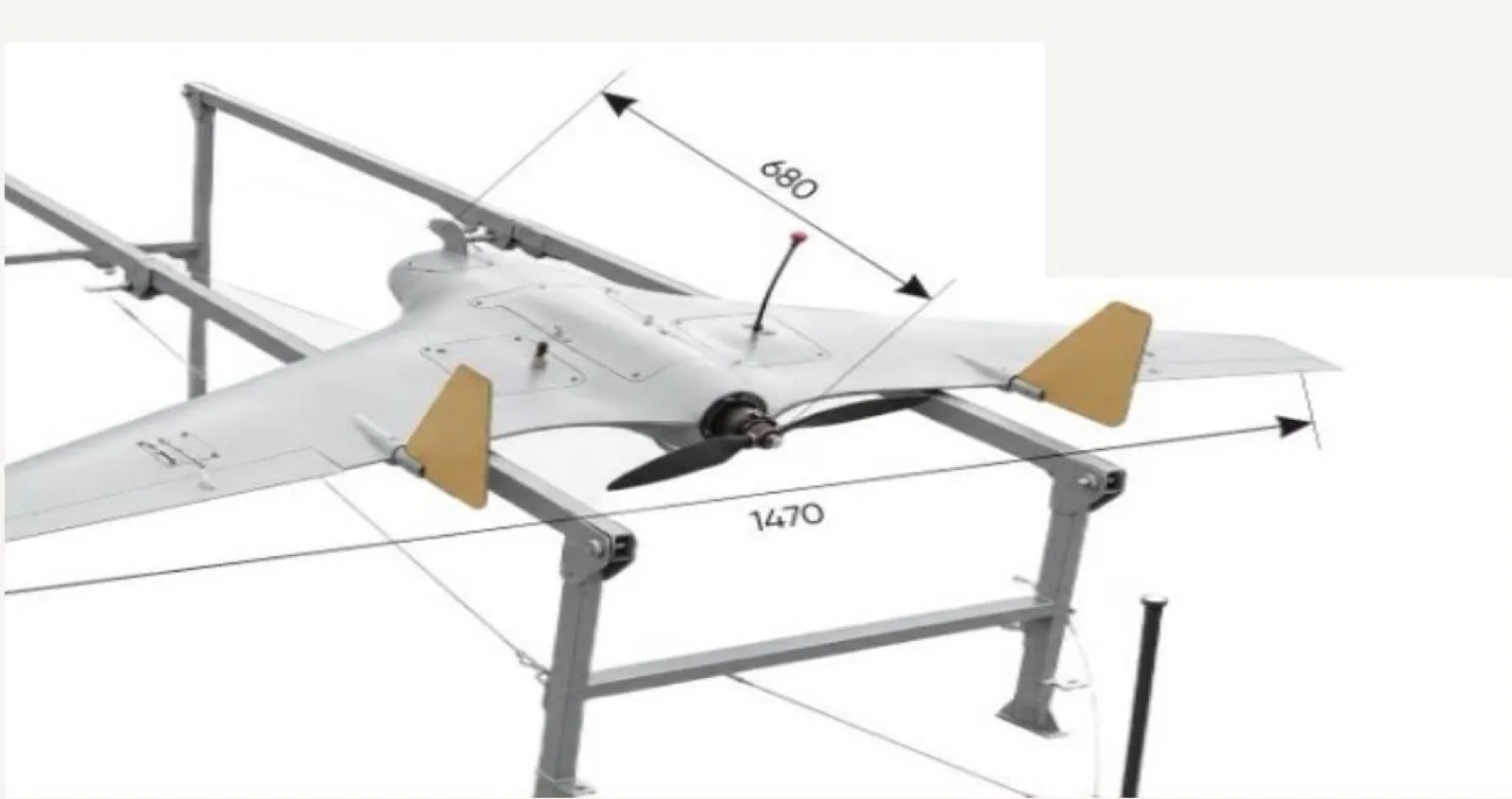
In field use
Composite flying-wing interceptor for kinetic kill, launched automatically and guided to terminal intercept.
Prototype
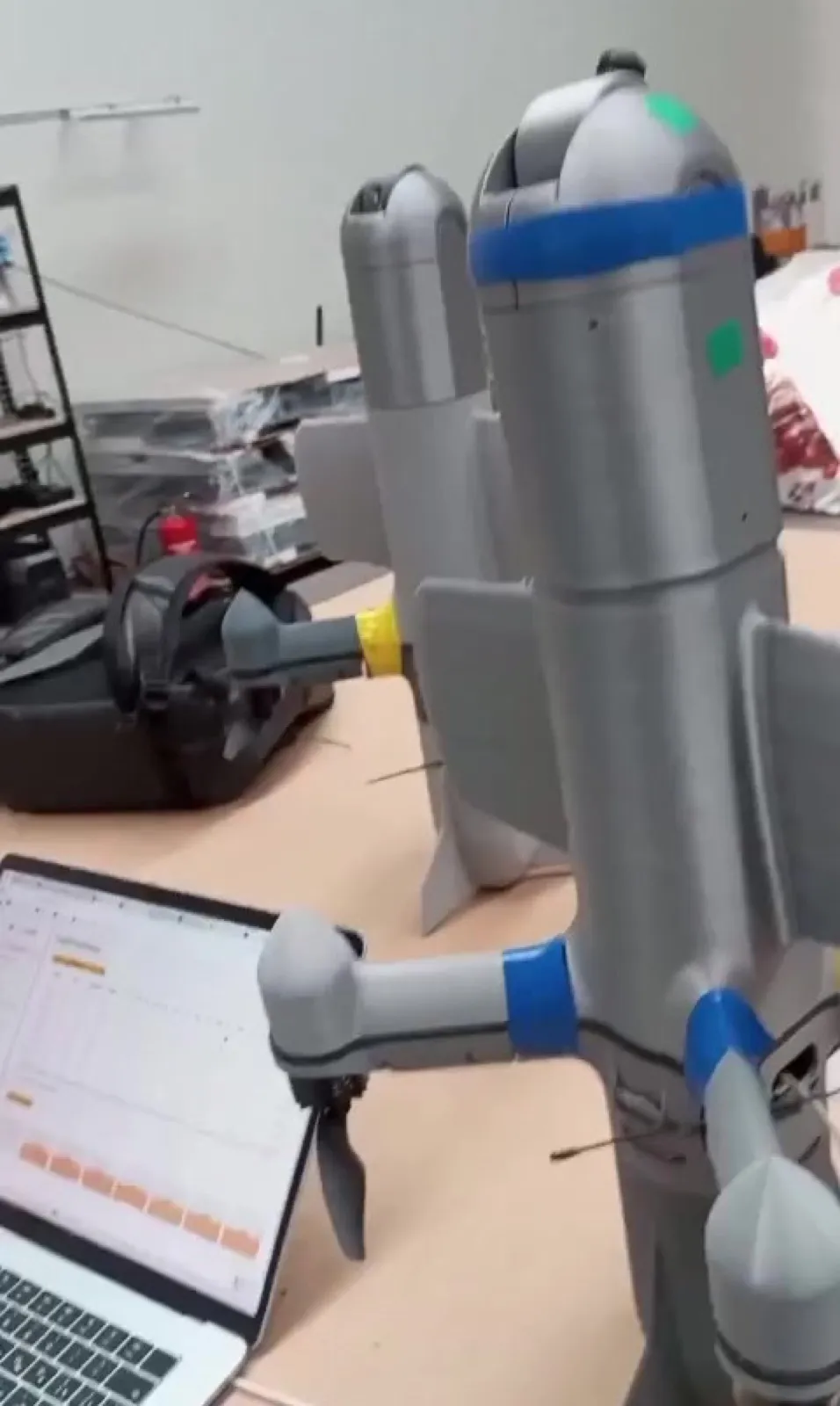
High-speed rotary-wing interceptor with a rocket-body fuselage and folding rotor cross, warhead kill.
04 Operate
Unmanned systems built on the same EW-resistant control, telemetry and video channels.
Available
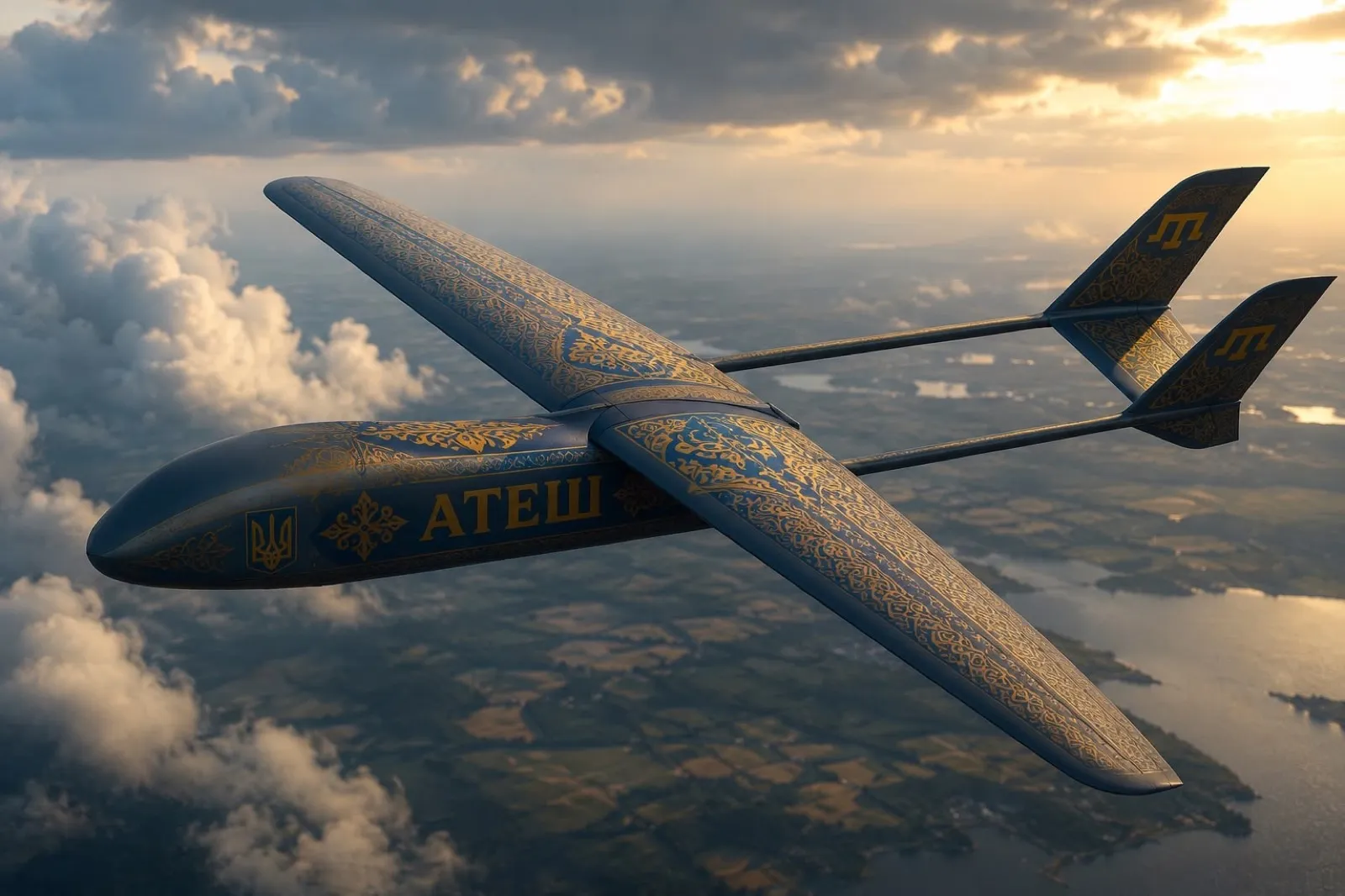
Strike-reconnaissance unmanned aviation complex with EW-resistant control, telemetry and video channels.
In service
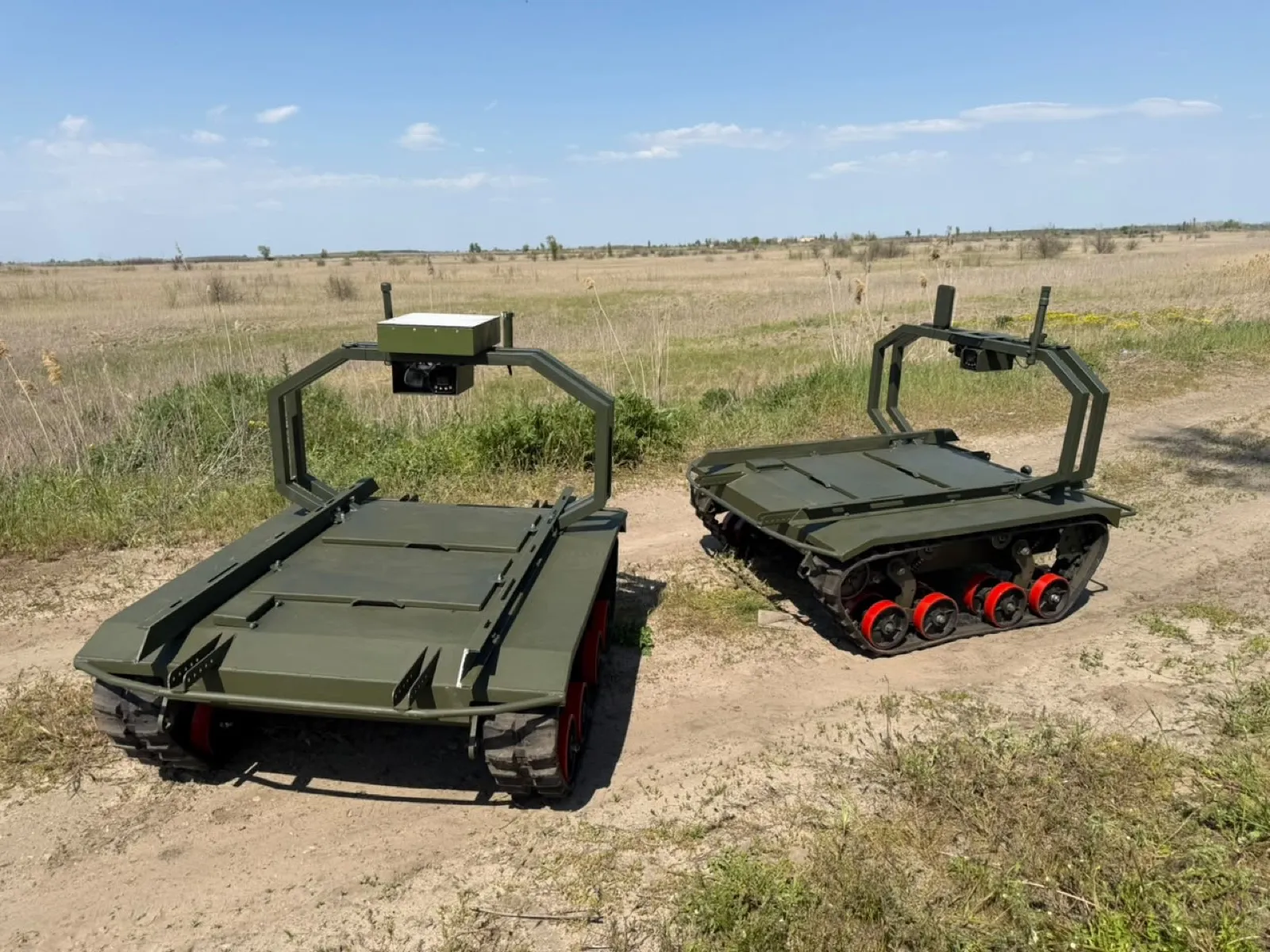
Tracked UGV for logistics, evacuation and reconnaissance, with EW, SIGINT and weapon modules.
TRL 2 concept
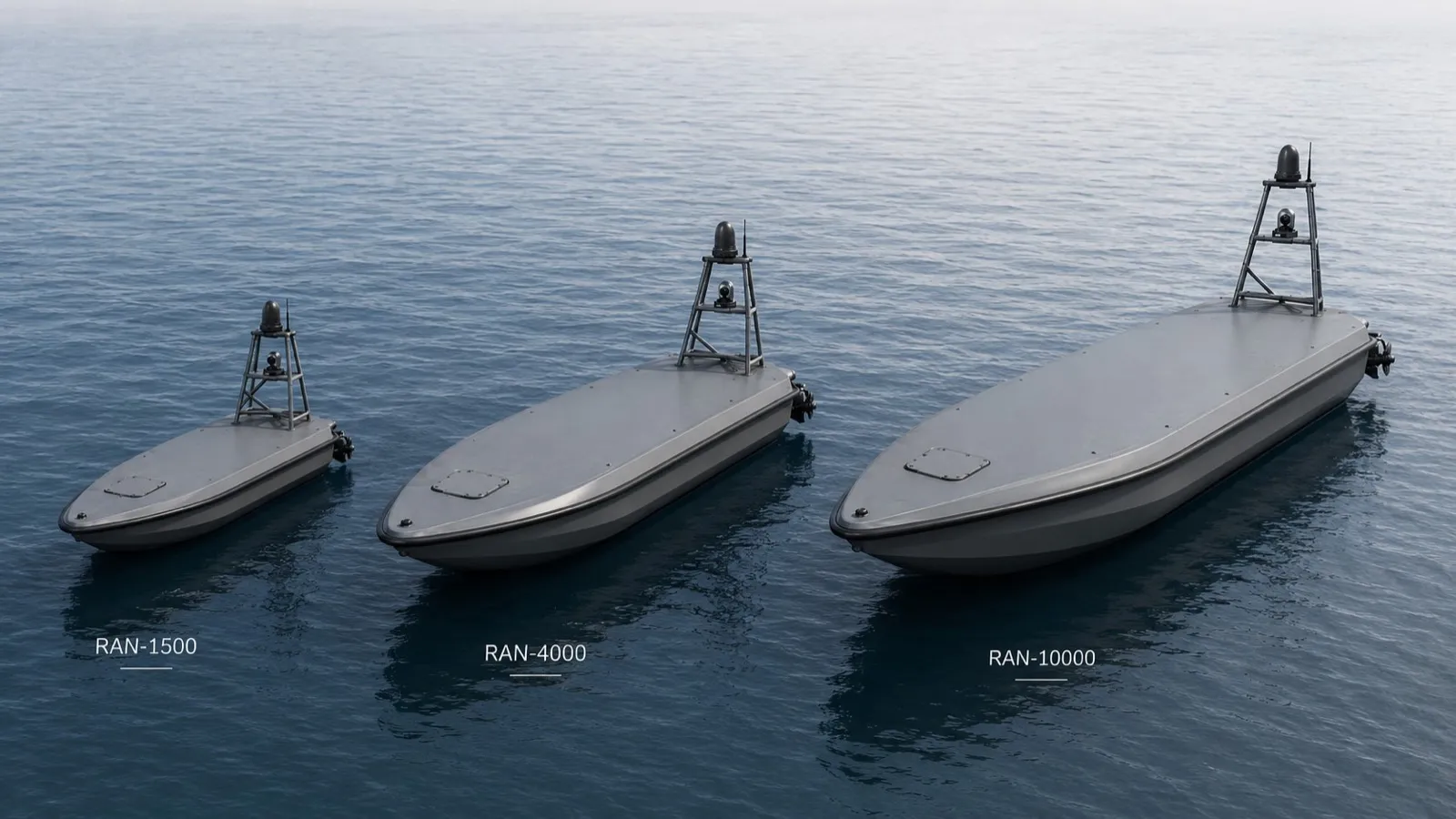
Autonomous surface vehicles in 1.5 t, 4 t and 10 t classes on one shared architecture.
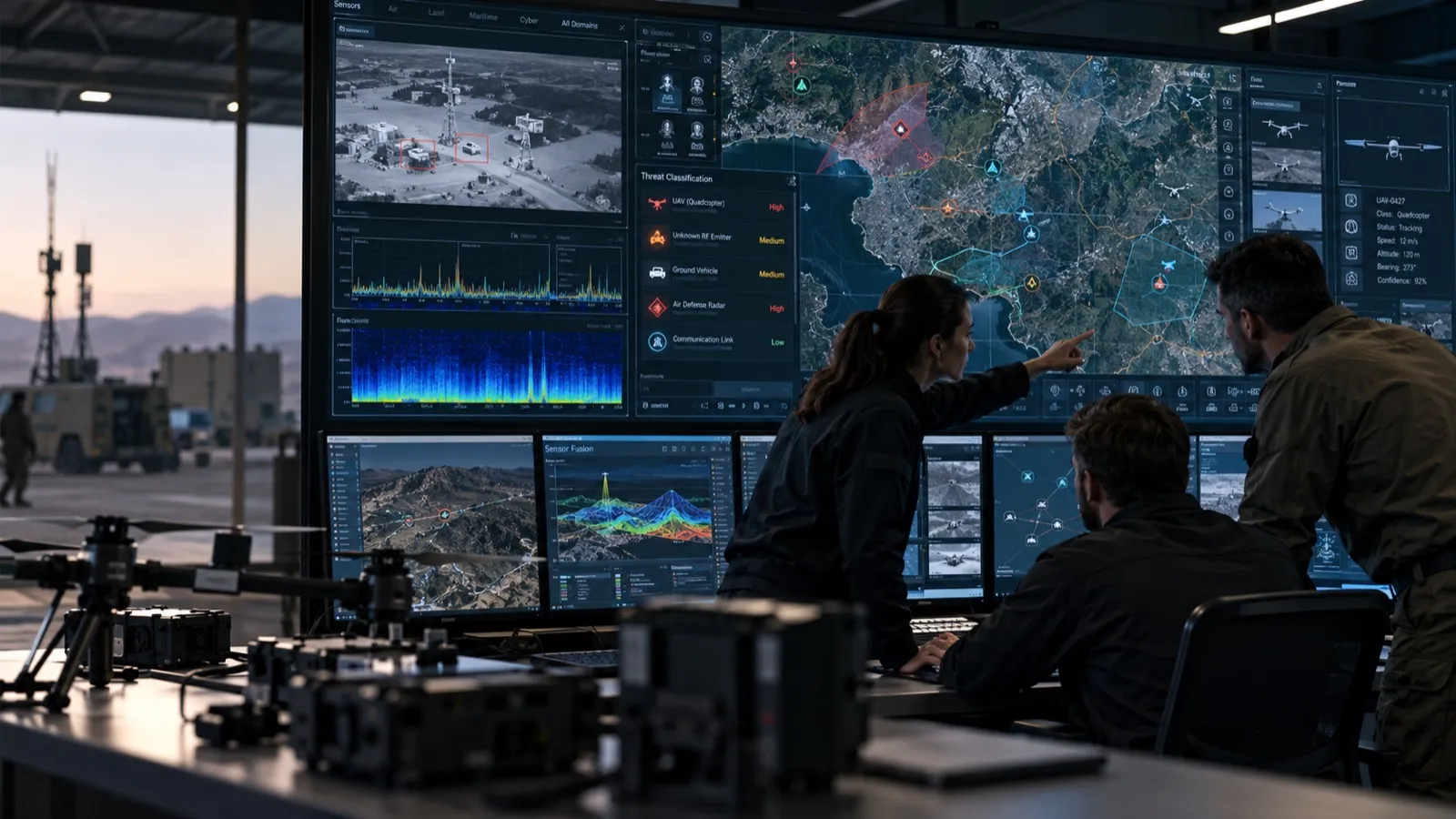
Our systems are powered by continuously evolving software and integration expertise, validated in real battlefield conditions and adaptable to local operational requirements, infrastructure and mission needs.
How the software worksProduction runs on EU territory through a joint-venture entity registered in Estonia, with practices aligned to EU and NATO defence-industry norms. Cooperation models are shaped around each partner, from supply through to local production and a phased transfer of sub-systems, software integration and know-how.
Production & technology transferEvaluation, procurement, local assembly or technology transfer. Describe the requirement and an engineer will answer directly.